
Timesasianews.com | In every September, the company Apple always launches its latest mobile phone, especially in the futuristic Silicon Valley campus. A few weeks later, tens of millions of new handsets followed, too, assembled by legions of seasonal workers hired by its suppliers and shipped from Chinese factories to customers around the world.
Apple’s annual iPhone release usually goes like clockwork and this signals progress for the global electronics assembly industry. And this is a prime example of how US tech giants have become the most profitable companies in the era of globalization by navigating the world’s two largest economies smoothly.
But this year, the smooth and authoritative launch of the iPhone 14 is the latest victim of the growing difficulty of doing business in China. Beijing’s unhindered approach to halting Covid-19 and rising tensions with the United States have forced Apple to re-examine aspects of the impact of its core business
Also in this year of free trade, Apple has a focus on bipartisan intervention in Washington, where concerns over military provocations and Beijing’s technological ambitions have upended orthodoxy.
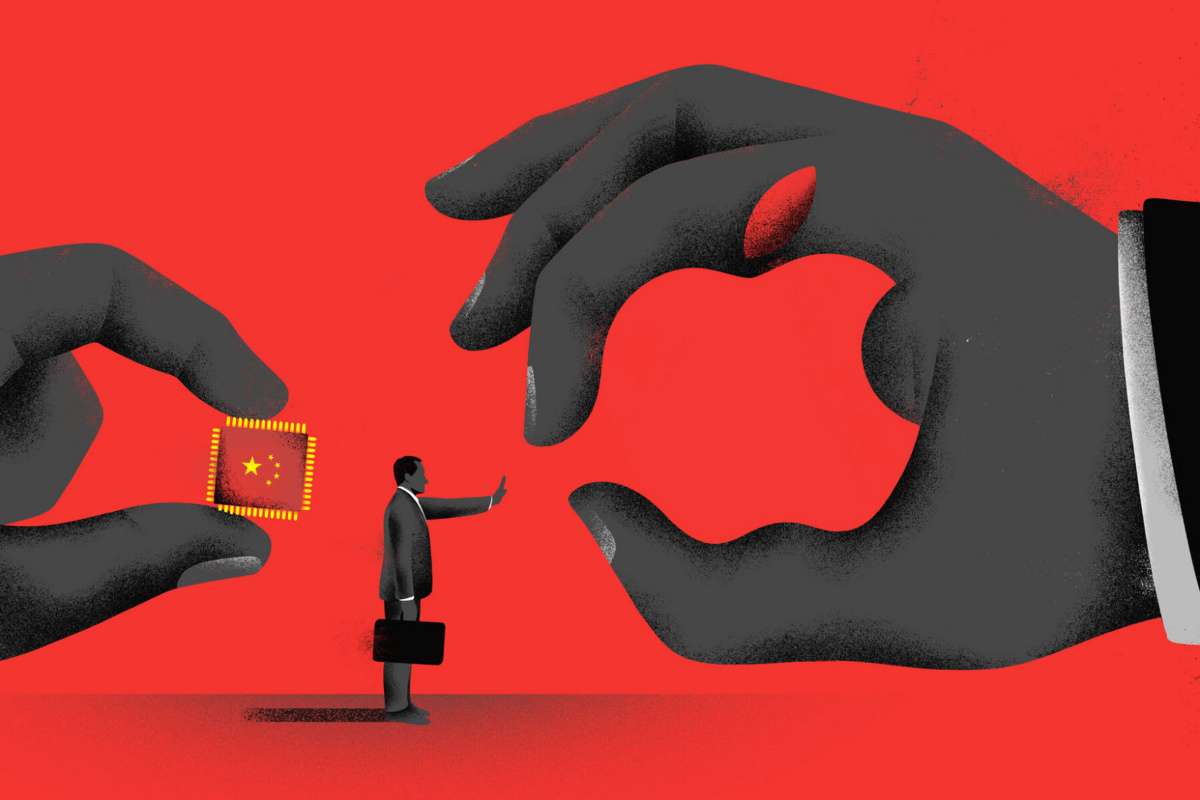
Word broke out in March that Apple was in talks with an obscure Chinese memory chip maker, Yangtze Memory Technology Corporation, or YMTC, to supply components for the iPhone 14.
That could clash with the work being done by a coalition of lawmakers and more than a dozen congressional aides. They have spent months examining the ins and outs of Apple’s supply chain in China. The Commerce Department issued restrictions last month barring American companies from selling machines to YMTC, making it difficult for Apple to proceed with the deal.
Apple has publicly confirmed that it spoke with YMTC, which did not respond to requests for comment. But an Apple spokesman declined to comment when asked if the company had ruled out working with the Chinese memory maker.
The recent developments underscore how Apple’s close ties to China, once considered a strength of its business, have turned into a liability.
It is no coincidence that Apple’s rise from near bankruptcy in the 1990s to the world’s most valuable company has closely followed China’s economic ascent. It pioneered a best-of-both-worlds business model: Products designed in California were assembled inexpensively in China and sold to the country’s growing middle class.
Apple reaps profits as China’s economy roars. But as U.S.-China relations falter, and both governments meddle in Apple’s business, the company has gone from one of globalization’s greatest success stories to a symbol of rift.
“Apple found that geopolitics is driving the business model – not the other way around,” said Matthew Turpin, a visiting fellow at the Hoover Institution who specializes in US policy towards China. “This whole set of supply chain risks creates real responsibility for them,” he said. (**)